I’ve had those Tuesdays in London where the commute was a nightmare, the rain was relentless, and the idea of “cooking from scratch” felt like an impossible demand. In the UK, we are blessed with incredible convenience—ready meals, “meal deals,” and delivery apps are everywhere—but that convenience often comes at a cost to our energy and health. We find ourselves living on “beige food,” feeling sluggish by 3:00 PM, and wondering why we’re always hungry an hour after eating.
The truth is, eating a balanced diet in the UK doesn’t require you to spend your entire Sunday meal prepping or your entire paycheck at a high-end organic grocer. It’s about understanding the “Rule of Three” and using the high-quality shortcuts available in every Tesco, Sainsbury’s, or Lidl.
Here is the logical, high-impact blueprint I used to stop “surviving” on snacks and start fueling my life properly, even on the busiest days.
1. The “Golden Ratio” for Every Plate
You don’t need a kitchen scale to eat a balanced diet. You just need to visualize your plate as three distinct zones. This “often helps” ensure you’re getting the right nutrients to keep your blood sugar stable.
-
50% Vegetables: Aim for variety. Frozen peas, bagged spinach, and “slaw” mixes are your best friends—they require zero chopping and last longer than fresh produce.
-
25% High-Quality Protein: This is the “satiety factor.” Think eggs, tinned tuna, Greek yogurt, or lean meats.
-
25% Complex Carbohydrates: The fuel. Think oats, brown rice, or a jacket potato (with the skin on for fiber).
2. The “3-Step” Busy Lifestyle Meal Plan
This isn’t a restrictive “diet”; it’s a system designed for a 2026 schedule.
Breakfast: The “Set and Forget” (Oats)
Stop relying on sugary cereal or toast. Overnight Oats take two minutes to prep the night before.
-
The Build: 50g oats + 150ml milk/water + a scoop of protein powder or Greek yogurt + a handful of frozen berries.
-
Why it Works: It’s high-fiber and high-protein, meaning you won’t be reaching for a biscuit at 10:30 AM.
Lunch: The “Better Meal Deal”
If you’re at the office, the standard sandwich-crisps-soda deal is a blood sugar disaster.
-
The Upgrade: Choose a salad or a grain bowl as your main. Swap the crisps for a bag of nuts or a piece of fruit. Choose sparkling water over soda. This simple switch “can help” prevent the dreaded “afternoon slump.”
Dinner: The “10-Minute Traybake”
I stopped standing over a stove and started using the oven.
-
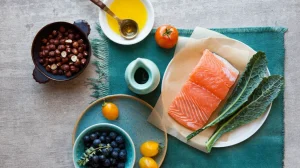
The Build: Throw a salmon fillet (or chicken breast), some frozen Mediterranean vegetables, and some pre-cooked “pouch” rice onto a tray. Season with olive oil and herbs. Bake for 12–15 minutes.
-
Why it Works: Minimal cleanup, maximal nutrition.
3. The “UK Survival Kit”: 5 Essentials for Your Cupboard
Having these items on hand prevents the “emergency” takeaway order when you’re too tired to think.
-
Microwave Grain Pouches: Quinoa, brown rice, or lentils. Ready in 90 seconds.
-
Tinned Pulses: Chickpeas and kidney beans are cheap, shelf-stable protein and fiber hits.
-
Frozen Spinach: You can throw a handful into almost anything—smoothies, curries, or scrambled eggs—to hit your “5-a-day.”
-
Greek Yogurt: A versatile protein source for breakfast, snacks, or as a healthy swap for sour cream.
-
Nut Butters: Great for a quick, filling snack with an apple or on wholemeal toast.
Common Mistakes Beginners Make in the UK
Frequently Asked Questions (FAQs)
Is frozen veg as good as fresh?
Actually, in many cases, it’s better. Frozen vegetables are picked and frozen at the peak of ripeness, locking in the nutrients. They are also cheaper and reduce food waste.
How do I eat healthy on a budget?
Focus on “The Basics”: eggs, oats, beans, lentils, and seasonal vegetables. Avoid the “organic” label if it doesn’t fit the budget; a standard carrot is still better for you than a “premium” processed snack.
Can I still have a Sunday Roast?
Absolutely! A roast is actually a very balanced meal if you load up on the carrots, broccoli, and cabbage. Just be mindful of the “extra” roast potatoes and Yorkshire puddings.
What is the “highest-impact” change for my energy?
Prioritize protein at breakfast. Starting your day with 25-30g of protein “may improve” your cravings and focus for the next twelve hours.
Is it okay to use ready-made sauces?
Check the label for added sugar and salt. Often, a simple combination of tinned tomatoes, garlic, and dried herbs is healthier and just as fast as a jar of pre-made sauce.
Final Thoughts: Progress, Not Perfection
A “balanced diet” isn’t about being perfect 100% of the time. It’s about making the best choice available to you at that moment. If you have a busy week and end up with a takeaway, don’t sweat it—just make your next meal a “Ratio Plate.”
Start tomorrow: Swap one “beige” item for a green one. Add a handful of spinach to your eggs or swap your crisps for an apple. When you stop viewing healthy eating as a chore and start viewing it as a system, it becomes a permanent part of your lifestyle. You’ve got this!